Considering care with us?
Here’s how we approach treatment and support lasting change.
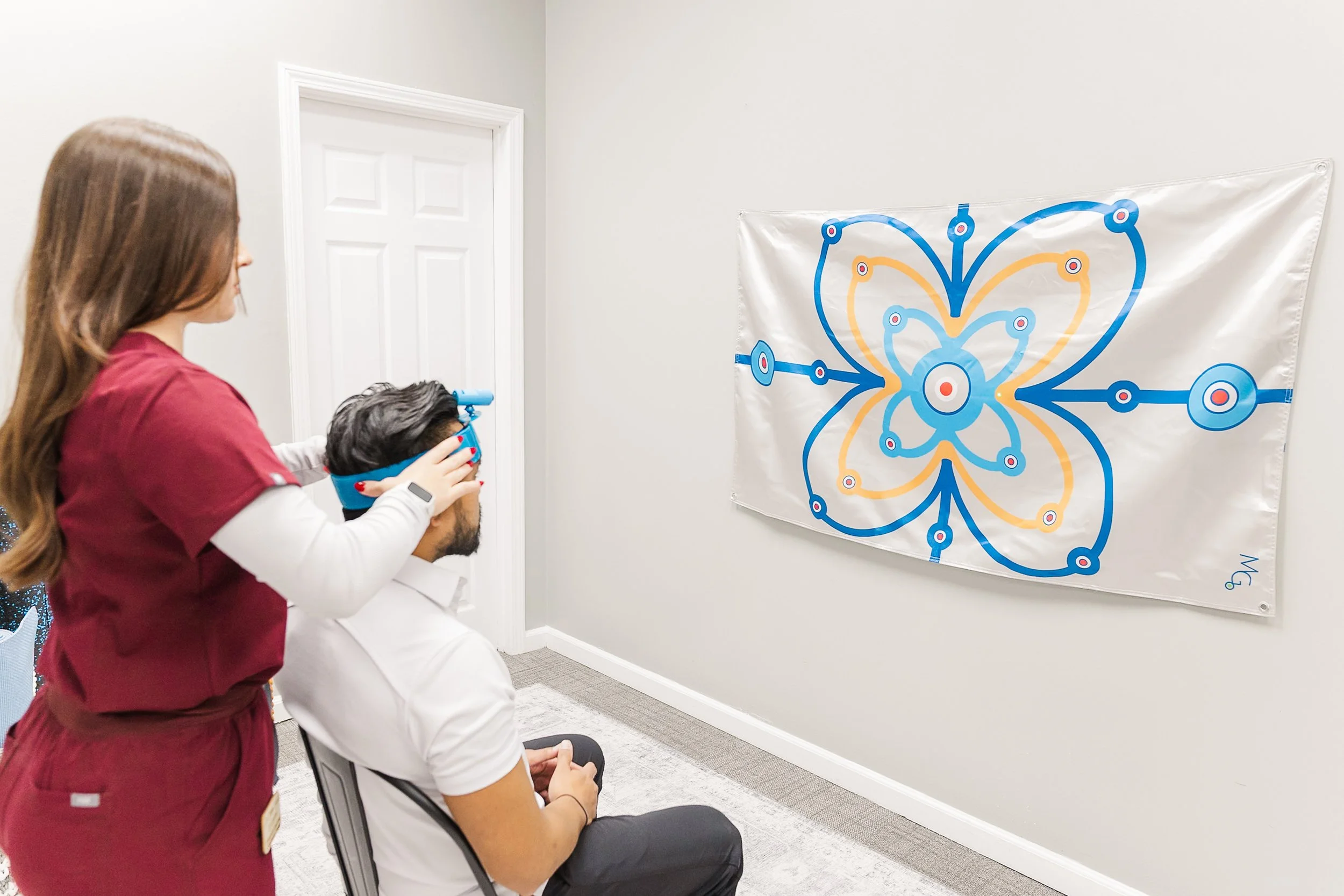
Neurological Rehabilitation
We focus on improving how the brain communicates with the body. Injury or stress to the brain can disrupt the signals that control movement, balance, focus, and regulation. This can occur with concussions, strokes, neurodegenerative or developmental conditions, and many other neurological stressors. Our goal is to identify these functional deficits and help retrain the nervous system to work more efficiently.
Care may include targeted eye movements, balance and vestibular training, coordination and sensory exercises, and specific stimulation designed to influence brain networks involved in movement, attention, and autonomic regulation. Each plan is customized based on how your nervous system responds, allowing treatment to evolve as progress is made.
This approach is used to support recovery from brain injuries such as concussion or stroke, neurological conditions like ADHD, Parkinson’s, or dementia, and other functional neurological challenges. Treatment is active, personalized, and focused on creating meaningful improvements in how you think, move, and function in daily life.
Vestibular & Balance Therapy
Balance and spatial orientation rely on precise communication between the inner ear, eyes, brain, and body. When this system is disrupted, whether from concussion, inner ear dysfunction, neurological stress, or aging, symptoms like dizziness, vertigo, imbalance, nausea, or visual instability can develop. Our approach focuses on identifying where communication is breaking down and restoring stability through targeted retraining.
Care may include vestibular and balance exercises, eye movement training, sensory integration, and coordination work designed to improve how the brain processes motion and position. Treatment is tailored to each individual and progresses at a pace that supports safety, confidence, and long-term improvement. The goal is to reduce dizziness, improve balance, and help patients feel steady, grounded, and more confident in their daily activities.
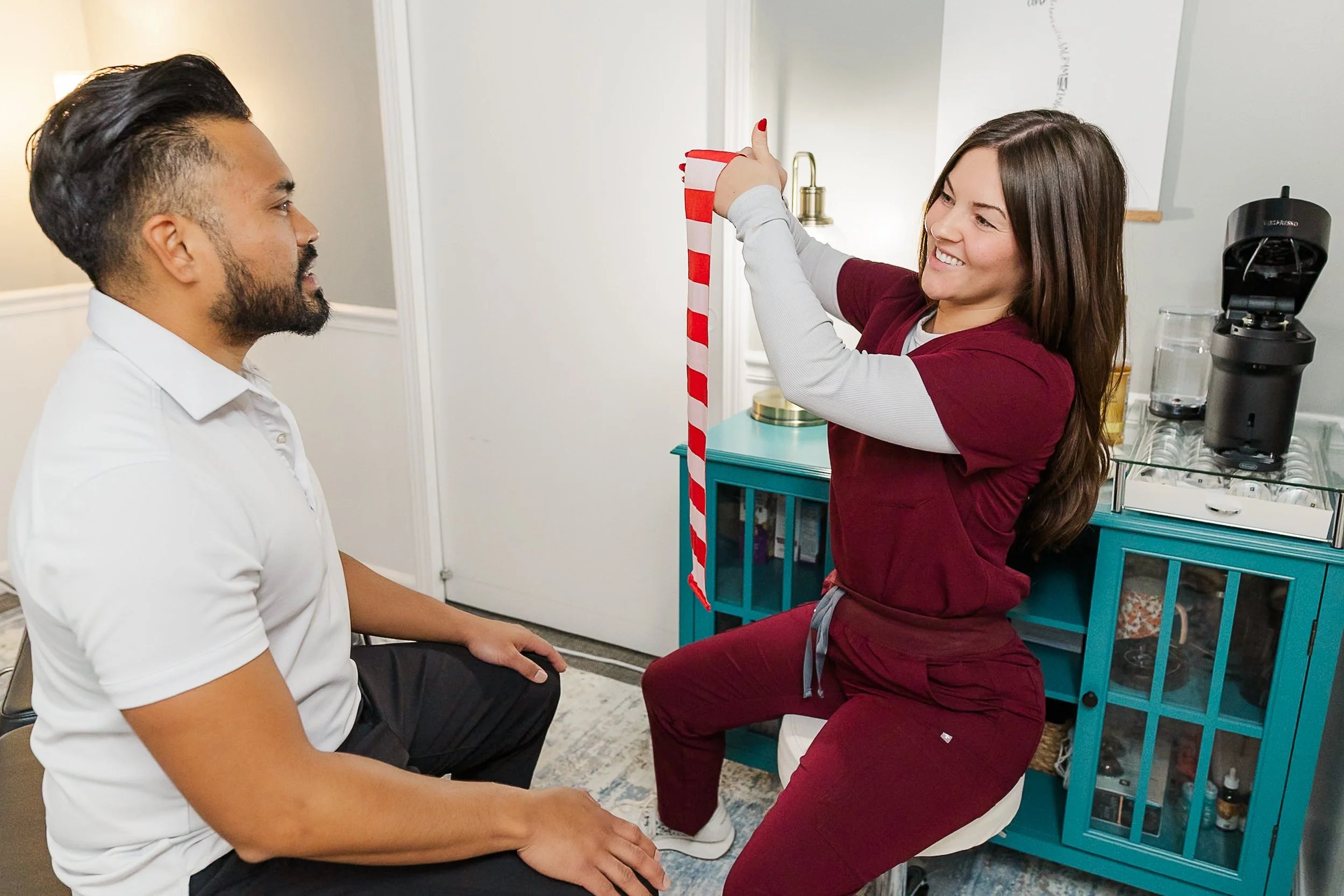

Myofascial Therapy
Fascia is a body-wide network of connective tissue that links muscles, joints, organs, and nerves into one integrated system. When fascia becomes restricted due to injury, surgery, inflammation, or repetitive stress, it can alter movement, create pain, and interfere with how the nervous system communicates with the body. Because fascia links every system, dysfunction in one area can affect seemingly unrelated regions.
Myofascial therapy focuses on identifying and releasing these restrictions to restore balance and efficient movement throughout the body. Treatment may address scar tissue, trigger points, muscular imbalances, and visceral or organ-related tension. By improving the health and adaptability of the fascial system, this work supports both structural alignment and neurological regulation, helping the body move, stabilize, and function as a coordinated whole.
My Approach
As a functional neurologist and myofascial therapy practitioner, I evaluate the entire body and how its systems communicate and work together. When one area becomes dysregulated, whether neurological, musculoskeletal, or fascial, it can create lasting downstream effects throughout the system. Understanding these relationships allows me to address the root of dysfunction rather than isolated symptoms.
The body is constantly changing from day to day and over time, and care should reflect that. Treatment is adapted to your individual needs at each visit, meeting you where you are and progressing as your body responds. This dynamic approach supports steady, meaningful improvement rather than a one-size-fits-all plan.
My work is deeply personal and shaped by my own health and wellness journey. The same principles that helped me restore my own health now guide how I care for others, with empathy, intention, and a commitment to truly individualized healing.
Intentional care
Every decision is guided by curiosity, intention, and respect for the body’s complexity.
Meaningful progress
We meet you where you are and evolve care as you do, creating change that lasts.